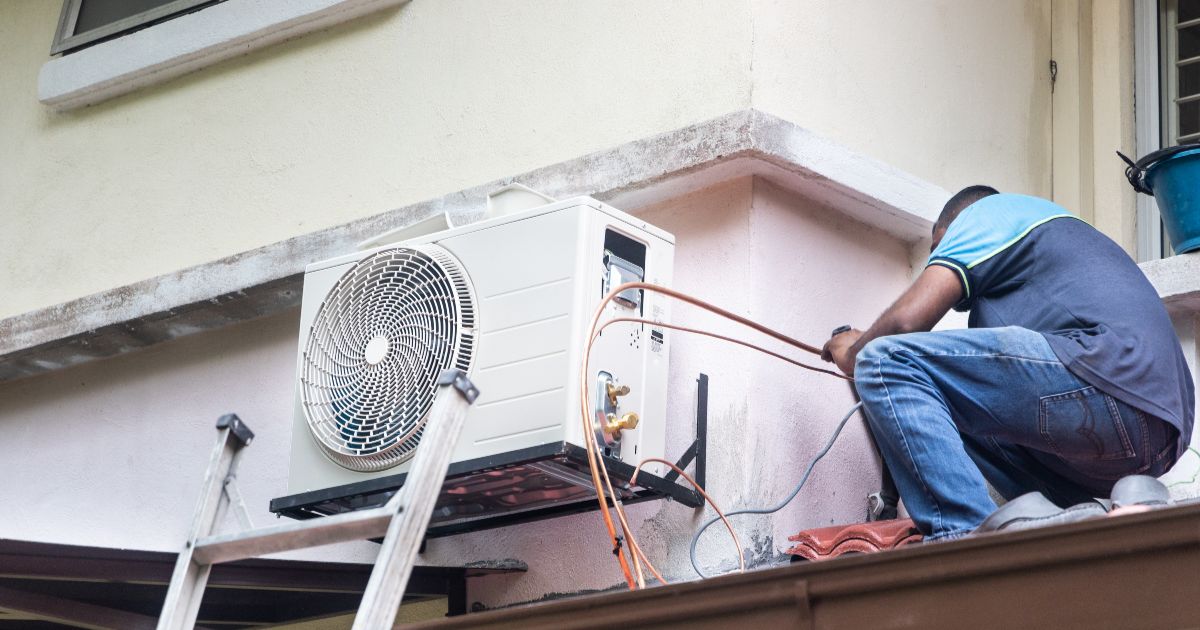
Replacing an old AC can improve comfort, lower energy bills, and prevent sudden breakdowns in the heat. If your system struggles to keep up, this article will help you understand what matters most before you replace it.
Heat, humidity, and long run times cause systems to wear out faster than in cooler places. Knowing what to expect helps you make a smart choice.
Signs Your Old AC Needs Replacement
Before replacing an old AC, it helps to know when repair is no longer worth it. Many homeowners wait too long and end up without cooling on the hottest days.
Here are common signs your AC may need replacement:
- Your system is over 10–15 years old
- Repairs happen often
- Energy bills keep rising
- The home cools unevenly
- The AC runs all day without stopping
- Strange noises or smells come from the unit
If you notice more than one of these issues, replacement is often the better choice.
AC Age
Older AC systems use more power and cool less. Over time, parts wear out and airflow drops. Even if the system continues to run, it may not adequately cool the home.
New systems are made to handle heat better. They cool faster, remove more humidity, and use less energy. Replacing an old AC can prevent minor issues from escalating into major failures.
Energy Efficiency and New AC Systems
Replacing an old AC offers an opportunity to improve energy efficiency. Older units often have low efficiency ratings. They use more power to do the same job.
New systems come with higher SEER ratings. Higher SEER means better energy use. Over time, this can lower your monthly bills.
If you want simple ways to cut cooling costs after installing a new unit, this post on energy-saving tips can help you get more value from your system.
Humidity Control Is Just as Important
The air in Miami is not only hot. It is also very humid. Old AC systems often fail to remove enough moisture from the air.
Poor humidity control can cause:
- Sticky indoor air
- Mold growth
- Musty smells
- Damage to walls and furniture
New AC systems handle moisture better. Replacing an old AC can help your home feel cooler even at higher thermostat settings.
Common Mistakes to Avoid
Many problems happen because homeowners rush the decision. Avoid these mistakes:
- Choosing the cheapest option without checking size
- Skipping a load calculation
- Ignoring duct problems
- Replacing only part of the system
- Not asking about humidity control
Taking time to plan leads to better results.
Central AC or Another Option?
Central AC or Another Option? Most homes choose central air. It cools the entire home through ductwork and keeps temperatures even.
Some homes may benefit from additional options, such as adding zones or upgrading the HVAC system. The right choice depends on your home layout and comfort needs.
Check Ductwork
Failing to check ducts can lead to problems. Leaky or damaged ducts waste cool air and reduce comfort.
Duct issues can cause:
- Hot spots in rooms
- Weak airflow
- Higher energy bills
Before installing a new system, inspect ductwork. Fixing ducts helps the new AC work as intended.
Make a Smart Move Before the Heat Wins
Replacing an old AC is about comfort, savings, and peace of mind. The heat is not forgiving, and an aging system can fail when you need it most.
By understanding size, efficiency, humidity control, and installation steps, you can choose a system that fits your home and budget. Planning now helps you stay cool, lower costs, and avoid last-minute stress when temperatures rise.