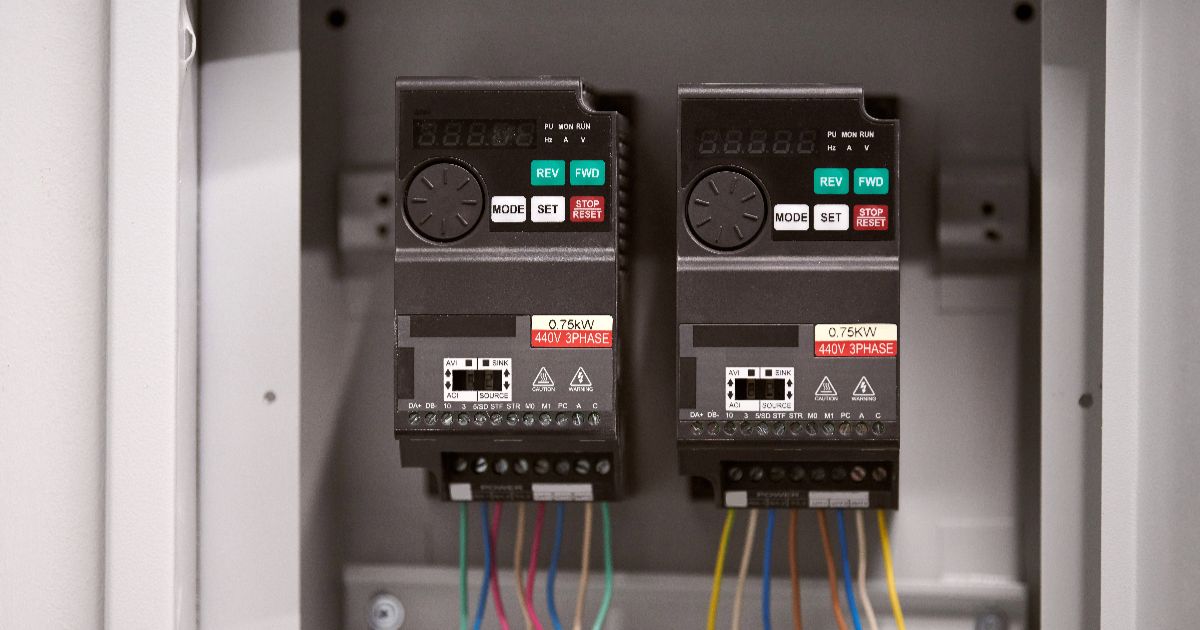
An HVAC surge protector protects your heating and cooling system from power spikes that can damage expensive parts.
It works by blocking or diverting sudden voltage increases before they reach your HVAC unit.
Let’s talk about what they are, how they work, and if your system really needs one.
What Is an HVAC Surge Protector?
An HVAC surge protector is a safety device installed near your HVAC system. Its job is to protect the system from sudden electrical spikes.
Power spikes happen when the voltage rises too fast. These spikes can damage control boards, motors, and compressors.
The surge protector acts like a shield. It absorbs or redirects extra voltage away from sensitive parts.
Most surge protectors connect directly to:
- The outdoor AC unit
- The furnace or air handler
- The main electrical panel
Why HVAC Systems Are at Risk From Power Surges
HVAC systems use complex electronics. These parts are sensitive to voltage changes.
Power surges can come from:
- Lightning strikes
- Power grid switching
- Downed power lines
- Large appliances turning on and off
Even small surges can cause damage over time. One large surge can destroy a system in seconds.
Modern HVAC units are more efficient but also more vulnerable because they rely on circuit boards.
How an HVAC Surge Protector Works
An HVAC surge protector monitors voltage levels at all times.
Here is how it works:
- Normal voltage flows to the HVAC unit
- A surge occurs
- The protector senses the spike
- Extra voltage is diverted or absorbed
- Safe voltage continues to the system
This process happens instantly. You may not even notice a surge happened.
Once a surge protector takes a major hit, it may stop working. Some models show a warning light when replacement is needed.
Does Your HVAC System Need a Surge Protector?
Yes, most HVAC systems benefit from a surge protector, especially newer systems with electronic controls. HVAC surge protectors are strongly recommended if your system uses circuit boards.
Your system likely needs one if:
- You live in an area with storms
- Power outages happen often
- You have a high-efficiency system
- Your HVAC unit is expensive to replace
Without protection, one surge can cause thousands of dollars in damage.
Whole-House vs HVAC Surge Protectors
There are two main types of surge protection.
Whole-House Surge Protectors
These install at the main electrical panel. They protect all electrical systems in the home.
They help block large surges but may not stop smaller spikes that reach the HVAC unit.
HVAC-Specific Surge Protectors
These install directly at the HVAC system. They protect the unit at the source.
Many homes use both for the best protection.
Whole-house protection reduces risk. HVAC surge protectors add a second layer of defense.
Where Is an HVAC Surge Protector Installed?
Most HVAC surge protectors are installed near the outdoor unit or inside the electrical disconnect box.
Common installation spots include:
- Outdoor condenser unit
- Furnace or air handler
- Main electrical panel
The closer the protector is to the HVAC unit, the better it works.
How Long Does an HVAC Surge Protector Last?
Most HVAC surge protectors last between 3 and 10 years. Lifespan depends on how many surges they absorb.
Factors that affect lifespan:
- Storm frequency
- Power grid stability
- Surge size
Some protectors fail silently. Others have lights that show status.
If the indicator light is off, the unit may no longer protect your system.
Signs That It’s Not Working
A surge protector does not last forever. Watch for signs of failure.
Common signs include:
- Warning light off
- HVAC system stops working after an outage
- Tripped breakers after storms
If the protector fails, your HVAC system is exposed again.
Myths
Some people believe surge protectors are not needed. This is often incorrect.
Myths include:
- Power surges only happen during lightning
- New systems are safer
- Breakers stop surges
Breakers protect from overloads, not voltage spikes. Surge protectors handle what breakers cannot.
Why HVAC Surge Protection Is a Smart Move
HVAC surge protectors protect expensive equipment from sudden electrical damage. They reduce repair costs, extend system life, and add peace of mind.
With modern HVAC systems relying on electronics, surge protection is no longer optional for many homes.
Adding this small device can prevent major problems and protect your comfort year-round.
We recommend reading this article: “How to spot fake HVAC/AC Repair companies in Miami.”