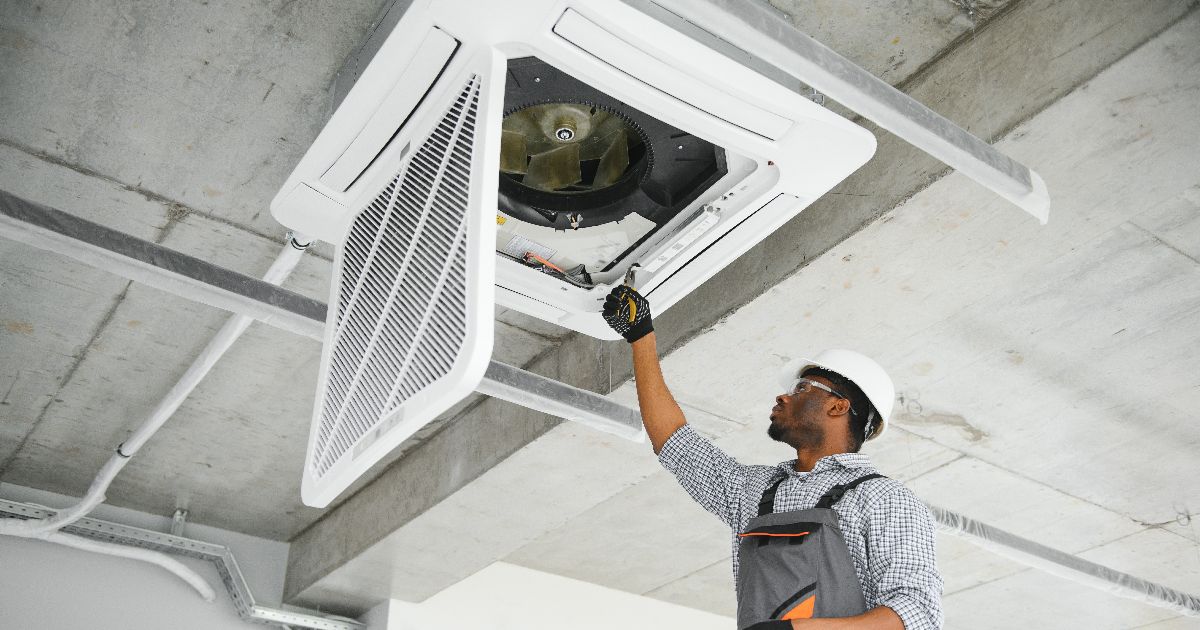
An HVAC maintenance checklist helps keep your system running safely, efficiently, and without surprise breakdowns.
This maintenance checklist shows what to check, when to check it, and why each step matters.
I’ll walk you through a clear, simple checklist you can follow year-round.
Monthly HVAC Maintenance Checklist
Some HVAC tasks should be done every month. These steps are simple and take little time.
Check and Replace Air Filters
Dirty filters block airflow, forcing the system to work harder. This raises energy use and wear.
Do this:
- Check filters once a month
- Replace dirty filters
- Use the correct filter size
Clean filters help air flow better and protect internal parts.
Seasonal HVAC Maintenance Checklist
Seasonal checks prepare your system for heavy use. These steps help avoid mid-season failures.
Inspect Thermostat Settings
The thermostat controls comfort and efficiency.
Make sure:
- Settings match the season
- The screen works properly
- Batteries are fresh
A faulty thermostat can cause short cycling or uneven temperatures.
Clean Supply and Return Vents
Dust and debris block airflow over time.
What to do:
- Vacuum vents
- Remove visible dust
- Make sure vents are open
Blocked vents reduce comfort and strain the system.
Outdoor Unit Maintenance Checklist
The outdoor unit needs clear space and airflow to work properly.
Clear Debris Around the Unit
Leaves, grass, and dirt restrict airflow.
Check for:
- Plants growing too close
- Leaves inside the unit
- Dirt buildup
Keep at least two feet of clear space around the unit.
Inspect the Outdoor Unit for Damage
Physical damage affects performance.
Look for:
- Bent fins
- Loose panels
- Unusual noise
Small damage can grow into major issues if ignored.
Indoor HVAC System Checklist
Indoor components need attention, too. These parts affect air quality and comfort.
Check Airflow From Vents
Weak airflow is a warning sign.
Pay attention to:
- Uneven room temperatures
- Weak air from vents
- Noisy airflow
Poor airflow often means blockages or worn parts.
Listen for Unusual Sounds
HVAC systems should run smoothly.
Warning sounds include:
- Grinding
- Banging
- Squealing
Strange sounds usually signal loose or failing parts.
Electrical and Safety Checklist
Electrical problems can damage HVAC systems and create safety risks.
Check Circuit Breakers and Disconnects
Tripped breakers may point to electrical issues.
Look for:
- Frequent breaker trips
- Burn marks
- Loose connections
Electrical problems should be handled quickly.
Inspect Condensate Drain Line
The drain line removes moisture from the system.
Problems include:
- Water leaks
- Musty smells
- Clogged lines
A blocked drain can cause water damage and system shutdowns.
Professional Maintenance
Yes, HVAC systems need professional service at least twice a year. Home checks help, but they do not replace full inspections.
Professional maintenance includes:
- Electrical testing
- Refrigerant level checks
- Coil cleaning
- Motor inspection
These tasks require tools and training.
HVAC Maintenance Checklist Saves Money
Routine maintenance reduces long-term costs. Clean systems run with less effort and fewer repairs.
Maintenance helps by:
- Lowering energy use
- Preventing major breakdowns
- Extending system life
- Reducing emergency calls
One service visit often costs far less than one repair.
Always be Prepared
An HVAC maintenance checklist keeps your system efficient, safe, and reliable. Regular checks prevent breakdowns, lower energy costs, and extend equipment life.
Following a clear checklist helps you stay ahead of problems, avoid expensive repairs, and keep your home comfortable all year.