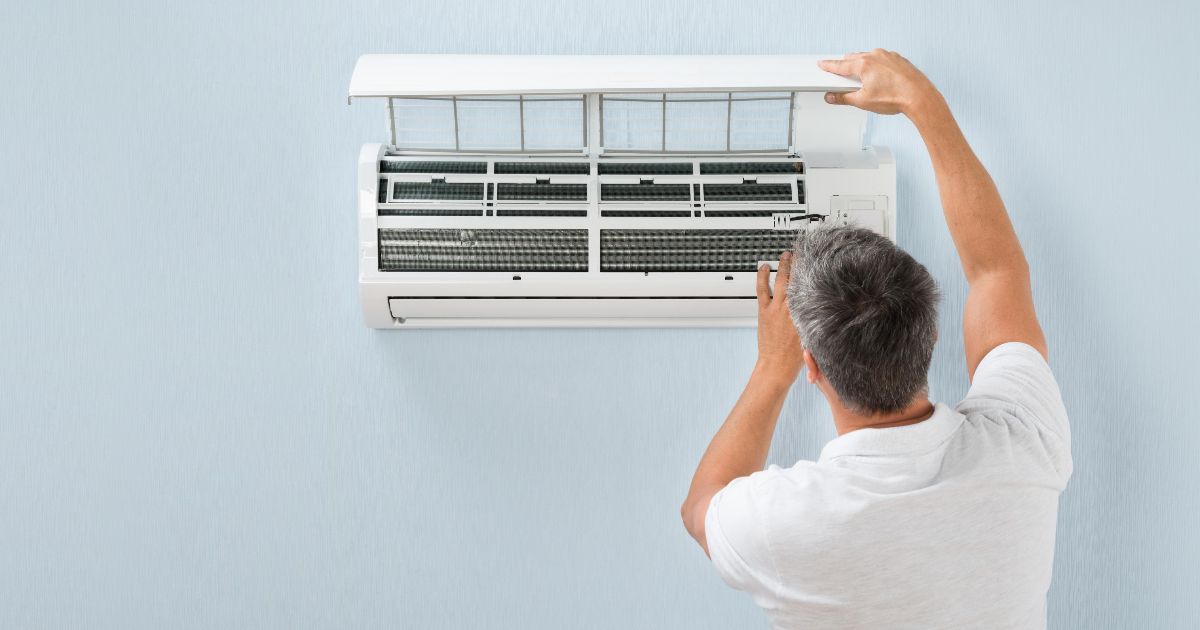
Most AC problems in Miami homes come from heat, humidity, and a system that runs almost year-round.
Your air conditioner works harder here than in almost any other city. That heavy use leads to a few repeats we see again and again.
The good news is that many of these issues are easy to spot early, and some you can even fix yourself.
AC Problems in Miami Are Very Common
AC problems in Miami homes happen so often because the system rarely gets a break. Our heat and humidity push units to run for hours, sometimes all day.
That constant strain wears out parts faster than in cooler places.
Salt air near the coast adds to the wear too. It speeds up rust on coils and outdoor parts.
Add daily afternoon storms and high moisture, and you get the perfect setup for clogs, leaks, and tired motors. Knowing the causes helps you catch trouble before it turns into a full breakdown.
The 8 Most Common Problems (and How to Fix Each One)
Here are the eight issues we get called about most, with a clear fix for each.
1. The AC Runs but Does Not Cool
If your system turns on but the air feels weak, low refrigerant or a dirty coil is usually the cause. Start by checking your thermostat and air filter. A clogged filter blocks airflow and makes the whole system feel useless.
If those look fine, the problem may sit deeper in the unit. An AC that is running but not cooling often needs a pro to check refrigerant levels or the compressor.
Do not add refrigerant yourself, as it requires special tools and a license.
2. The AC Blows Warm Air
Warm air from the vents points to a refrigerant issue, a frozen coil, or a thermostat set wrong.
First, check that you set the thermostat to “cool” and not “fan.” It sounds simple, but it fools a lot of people.
Next, look at the outdoor unit. If the fan sits still or dirt covers the coils, the system can’t push out heat.
An AC blowing warm air during a Miami afternoon needs a fast look so it does not run for hours with no result.
3. Water Leaks Around the Indoor Unit
Water near your indoor unit almost always means a clogged condensate drain line. Miami humidity creates a lot of moisture, and that water has to drain somewhere. When the line clogs with algae or dirt, water backs up and spills out.
Here is a simple fix to try:
- Turn off the system at the thermostat and breaker.
- Find the drain line, usually a white PVC pipe near the unit.
- Use a wet vacuum at the outdoor end to pull the clog free.
- Pour a cup of distilled vinegar into the line to slow new buildup.
If the leak keeps coming back, the causes of the water leak may go beyond a simple clog and require a closer look.
4. The Outdoor Fan Will Not Spin
A fan that will not turn usually indicates a faulty capacitor or a worn motor. The capacitor gives the fan the jolt it needs to start. When it fails, you may hear a hum but see no movement.
Turn the system off right away if this happens. Running it with a stuck fan can overheat the compressor, which is the most expensive part to replace.
A fan that won’t spin is a job for a technician, since capacitors hold a charge and can shock you.
5. The House Takes Too Long to Cool
A slow cooldown often means low airflow, a leaky duct, or a unit that is too small for the space. In our heat, even a small airflow problem feels huge by mid-afternoon.
Check your filter and make sure no furniture blocks the vents. Closed or dirty vents force the system to work harder for less result.
If the home still cools slowly, the reasons your AC takes too long might include duct leaks or aging parts that lose efficiency over time.
6. Higher Than Normal Electric Bills
A sudden jump in your power bill usually means your AC is working harder than it should. Dirty coils, low refrigerant, or a tired system all burn more energy for the same comfort.
Watch for these signs:
- The unit runs much longer than it used to.
- Some rooms feel warm while others feel cold.
- The system short-cycles, turning on and off quickly.
If your bill climbs for no clear reason, the causes of high electric bills often start with simple, fixable AC issues.
7. Strange Noises From the Unit
Loud or new sounds mean a part is loose, worn, or failing. A rattle often means a loose screw or panel. A grinding sound can indicate a motor bearing failing.
A buzzing noise may signal an electrical issue. Turn the system off and call a pro if you hear buzzing, since electrical faults can spread fast. Catching the sound early often saves a bigger part down the line.
8. The AC Short Cycles
Short cycling means the system turns on and off too often, without completing a cooling cycle.
It wears out parts and drives up your bill. A unit that is too big, a dirty filter, or a thermostat in a hot spot can all cause it.
Move lamps or heat sources away from the thermostat first. If that does not help, the system may have a refrigerant or sensor problem that needs service.
Simple Habits That Prevent Most AC Problems
Most breakdowns originate from neglected maintenance, not bad luck. A few small habits keep your system healthy through the long hot season.
Change your air filter every month during heavy use. Rinse the outdoor coils a couple times a year to clear dirt and grass.
Keep 2 feet of clearance around the outdoor unit so it can breathe.
And book a tune-up each spring before the worst heat hits. These steps cost little and stop the repairs that pile up later.
When to Call a Pro Instead of Trying It Yourself
Call a licensed AC maintenance technician any time the issue touches refrigerant, wiring, or the compressor.
Those repairs need tools, training, and a license to handle safely.
Filters, vents, and a basic drain clog are fair game for most homeowners.
But if a fix does not hold, or the same problem keeps returning, that is your sign to bring in help.
A small service call now beats a failed compressor in August.