Hurricane season in South Florida brings heavy rain, strong winds, and power outages that can damage your air conditioning system. Prepping your AC before a storm protects your investment and ensures your home stays safe and comfortable afterward.
Let’s discuss simple steps to protect your AC system from storm damage and how to get it running safely afterward.
1. Turn Off the Power Before the Storm
Before the storm arrives, turn off your AC system at the breaker. Power surges are common during hurricanes and can damage your compressor or other electrical parts.
Also, unplug the thermostat and any window or portable AC units. Keeping the system off until the storm has fully passed prevents electrical damage if the power flickers or goes out.
Once it’s safe and the power is stable again, you can turn it back on after inspecting it for damage.
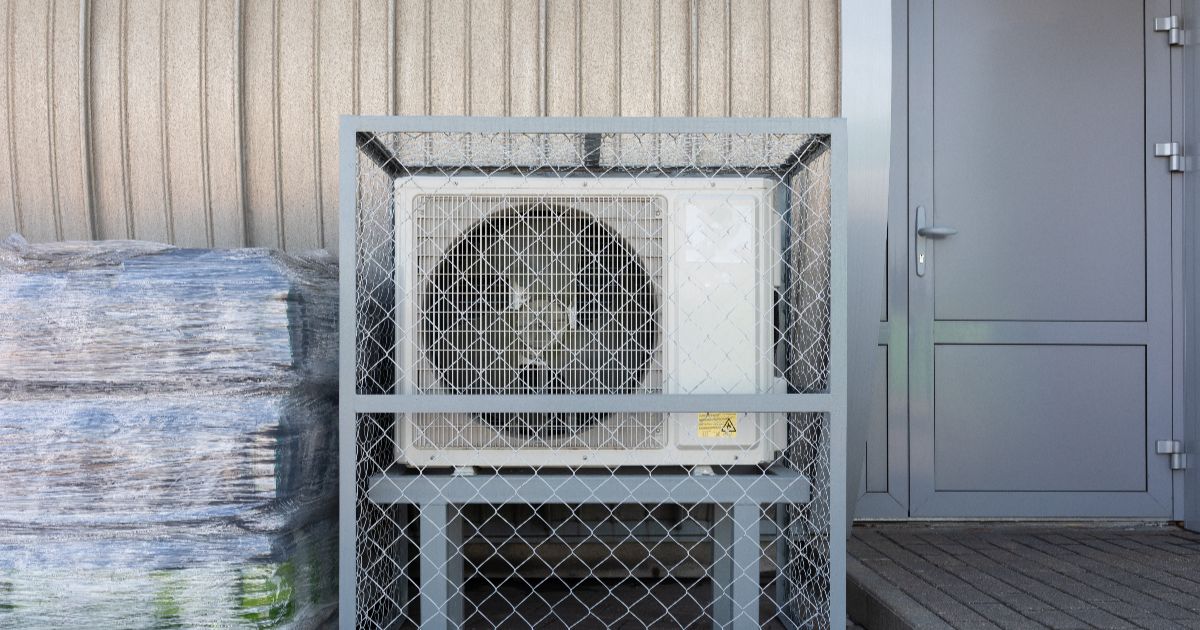
2. Secure the Outdoor Unit
The outdoor condenser unit is especially vulnerable during hurricanes. High winds can loosen it or send debris flying into it.
Here’s how to secure it:
- Use anchor bolts to fasten the unit to a concrete pad.
- Cover it with a sturdy protective tarp or AC cover to block debris (but remove it before turning the unit back on).
- Trim nearby trees and clear loose items such as patio furniture, toys, and garden tools.
If your home is in a flood-prone area, consider raising the condenser on a stand at least a foot above ground level to prevent water damage.
3. Clear the Surrounding Area
Flying debris poses one of the greatest risks to your AC system during a hurricane. Before a hurricane hits, walk around your yard and clear the area.
Remove or secure:
- Lawn furniture
- Planters and decorations
- Grills or outdoor equipment
- Tools and toys
Even small items can become dangerous projectiles in high winds and damage your AC coils, fan blades, or refrigerant lines.
4. Protect Against Flooding
Flooding is a serious risk in many parts of South Florida during hurricane season. Water can ruin electrical parts and cause corrosion.
You can reduce flood risk by:
- Raising the outdoor unit on a stand or platform.
- Adding a drainage system to redirect water away.
- Install a flood barrier or place sandbags around the AC area.
If your AC does get flooded, don’t turn it on until a professional inspects it. Running it while wet can cause electrical shorts or more damage.
5. Install a Surge Protector
Power surges often happen when the electricity comes back after an outage. These surges can severely damage your compressor or control board.
A whole-house surge protector or a dedicated AC surge protector can prevent this. Ask your HVAC technician to install one before hurricane season begins. It’s a small investment that protects one of your most expensive home systems.
6. After the Storm: Inspect Before Turning It Back On
Once the storm passes, don’t turn your air conditioner back on right away. Begin with a brief inspection before restarting the system.
Check for:
- Visible damage to the outdoor unit (dents, bent fins, missing panels)
- Debris or water around or inside the condenser
- Loose wires or burned smells near electrical parts
If you see damage or flooding, leave the system off and call a licensed HVAC technician for an inspection.
Even if everything looks fine, it’s smart to have a quick post-storm maintenance check to make sure your unit is safe and running efficiently.
Protect Your Investment
Preparing your air conditioner before hurricane season can save you from major headaches later. By turning off the power, securing your unit, and scheduling maintenance ahead of time, you’ll be ready when the next storm hits.
If your system is damaged or not cooling properly after a hurricane, don’t risk running it. Contact a licensed AC repair company for a professional inspection and safe repair. A few simple steps today can safeguard your comfort, safety, and budget throughout hurricane season.