Choosing between central air and mini-split AC for your Miami home? Here’s what you need to know.
Both systems cool your home, but they work differently. Central air uses ducts to push cold air through your whole house. Mini-splits don’t need ducts. They cool individual rooms instead.
Each system has pros and cons. The right choice depends on your home’s setup, your budget, and how you plan to use your space.
We’ll walk you through how each system works. You’ll learn what makes them different. Then you can pick the best one for your home.
How Central and Mini-Split Systems Work
Before comparing them, let’s look at how each system cools your home.
Central Air Conditioning
A central AC system uses a network of ducts to move cooled air through vents in each room. The system includes:
- An outdoor condenser that releases heat
- An indoor evaporator coil that cools air
- A blower fan that pushes air through ducts
It cools the entire home evenly using one thermostat.
Mini-Split Systems
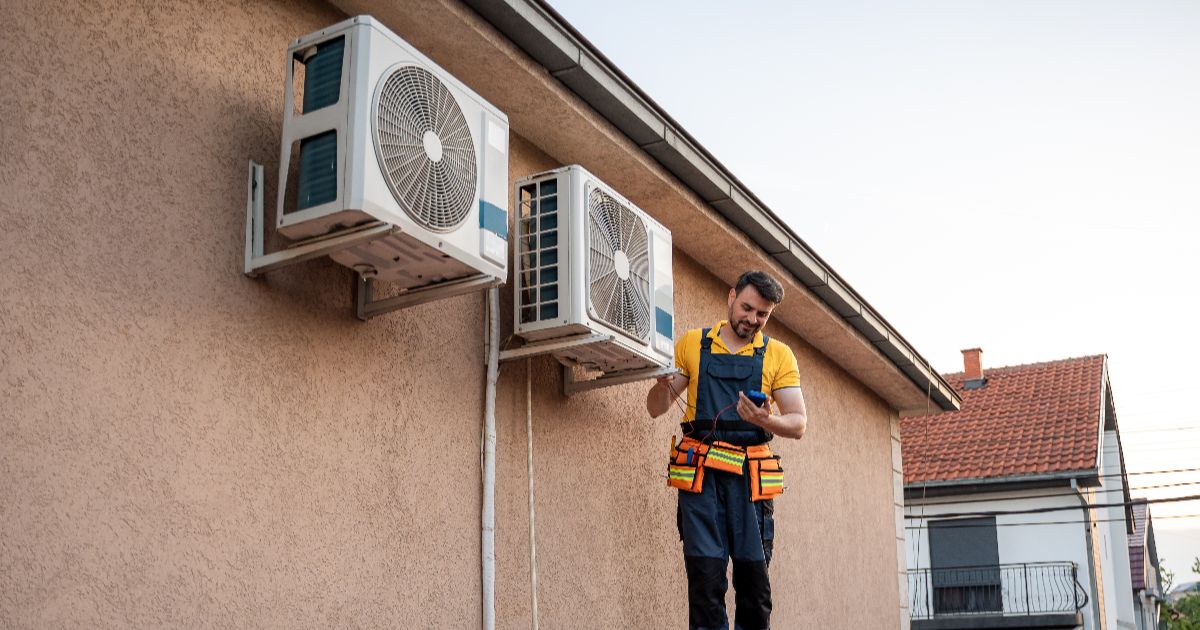
A mini-split or ductless system doesn’t use air ducts. Instead, it has one outdoor unit connected to one or more indoor air handlers. Each air handler cools a single room or zone and has its own remote or thermostat.
Mini-splits are especially popular in Miami for additions, condos, and older homes without ductwork.
Installation Differences
Central AC Installation
Installing a central AC system usually takes one full day and requires ductwork. If your home already has ducts, installation is faster. If not, adding ducts can take several days and increase the cost.
Central systems work best in larger homes that already have a ventilation network.
Mini-Split Installation
A mini-split system is faster and less invasive to install. Technicians mount indoor units on the wall and connect them to the outdoor condenser using a small hole for the refrigerant line.
This process typically takes 4 to 8 hours, depending on the number of indoor units. There’s no ductwork, which makes it ideal for older homes or spaces without existing vents.
Cooling Performance and Comfort
Central AC Cooling
Central AC systems provide even cooling across the entire home. They maintain consistent temperatures and are great for large families who want comfort in every room.
However, because they cool the whole house at once, you can’t easily adjust temperatures in different rooms without installing a zoning system.
Mini-Split Cooling
Mini-split systems offer zoned cooling, meaning each indoor unit can be set to a different temperature. This allows you to cool only the rooms you use, saving energy and improving comfort.
For example, you can keep the living room cool during the day and raise the temperature in empty bedrooms. In Miami, where electricity bills spike during summer, that flexibility helps lower costs.
Energy Efficiency
Homeowners often look for ways to reduce cooling costs, and this is where mini-split systems excel.
- Mini-splits are typically more energy-efficient because they avoid the air loss that happens through ducts. Up to 30% of energy can be wasted in ducted systems due to leaks or poor insulation.
- Central AC systems, however, have improved over the years. New models with high SEER ratings (16–20+) can also deliver excellent efficiency when ducts are sealed and maintained properly.
If energy savings are a top priority and your home doesn’t already have ducts, a ductless system might be the smarter choice.
Stay Cool with the Right System for Your Miami Home
Both central air systems and mini-split systems can keep Miami homes cool and comfortable. The right choice depends on your home’s layout, energy goals, and budget.
If you’re unsure which is best, contact a licensed HVAC professional to inspect your home and discuss options.
With the right system and professional installation, you’ll enjoy steady comfort and lower energy costs all year long.